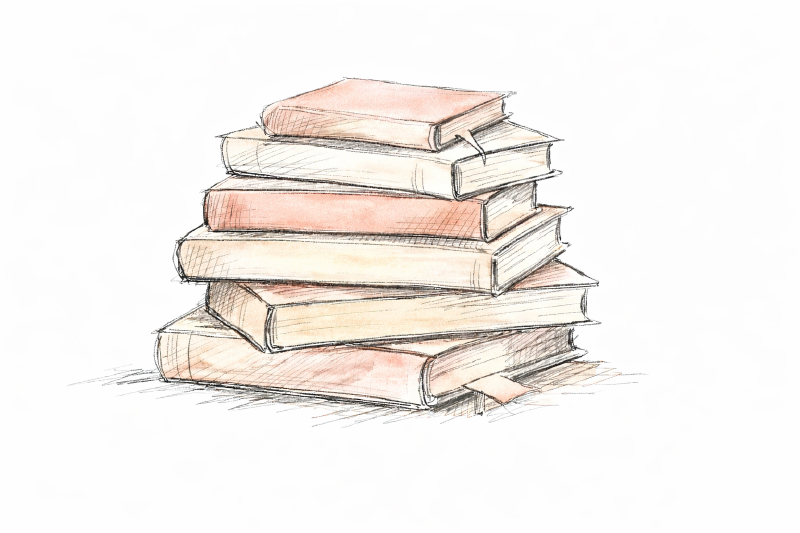
A quick, slightly scrappy list of the books (and one essay) I read in 2025, and the bits that actually stuck.
Linux Mint turned my 9-year-old Dell Latitude from a wheezing Windows 10 brick into a quiet, usable laptop
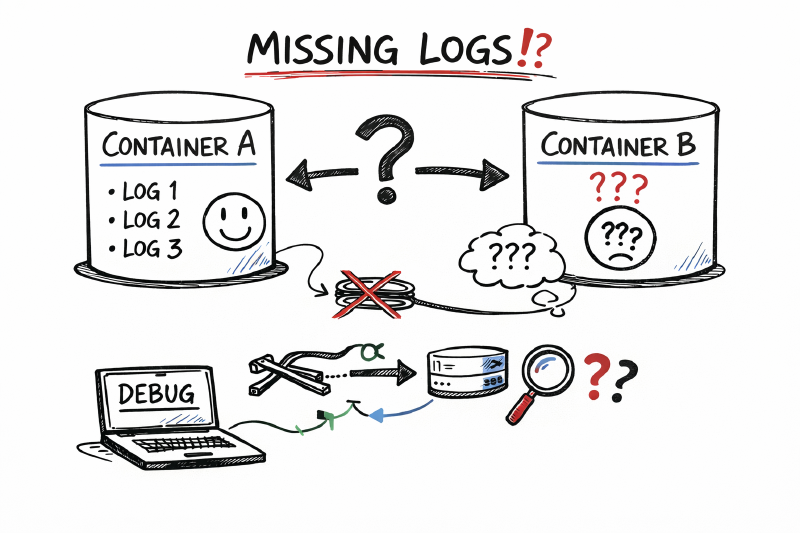
We moved an API from Azure Functions to Azure Container Apps and expected logging to just work. Instead, AppTraces stayed empty while ContainerAppConsoleLogs_CL filled up. Here’s what went wrong and how we fixed it.
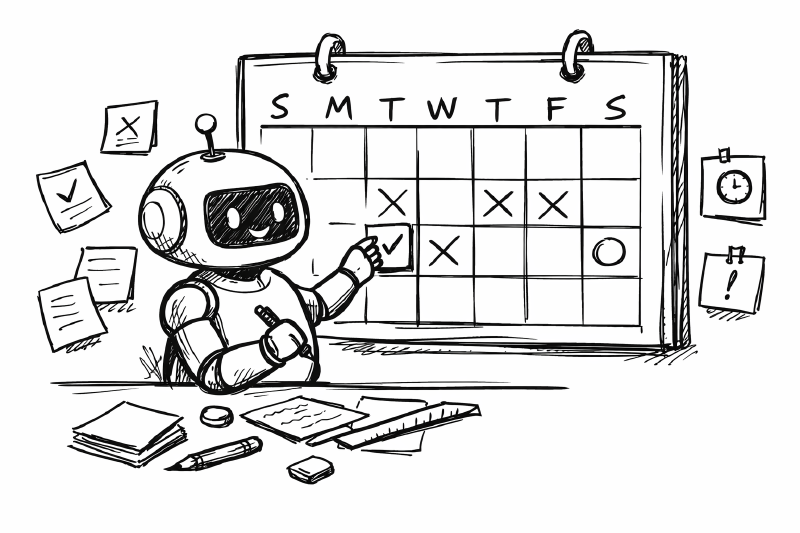
A short, non-technical story about building a weekly family planner over Christmas: what it does, how my family shaped it, and how I used LLM agents without letting them run wild.
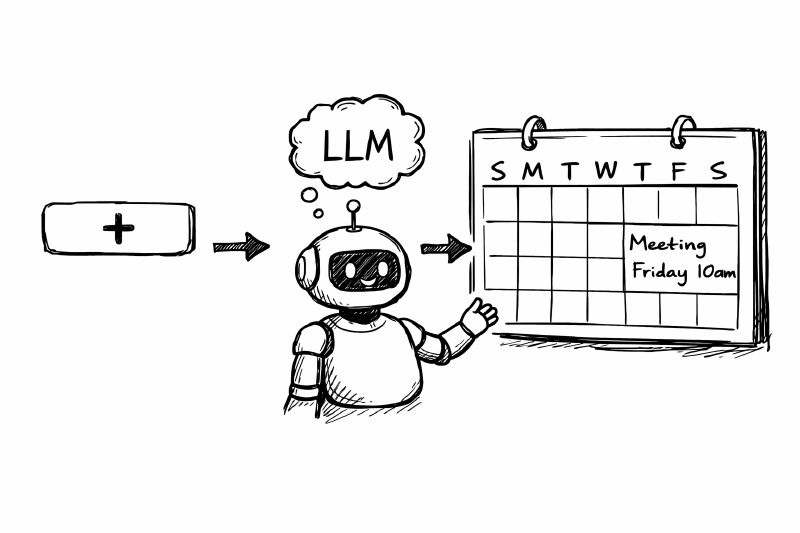
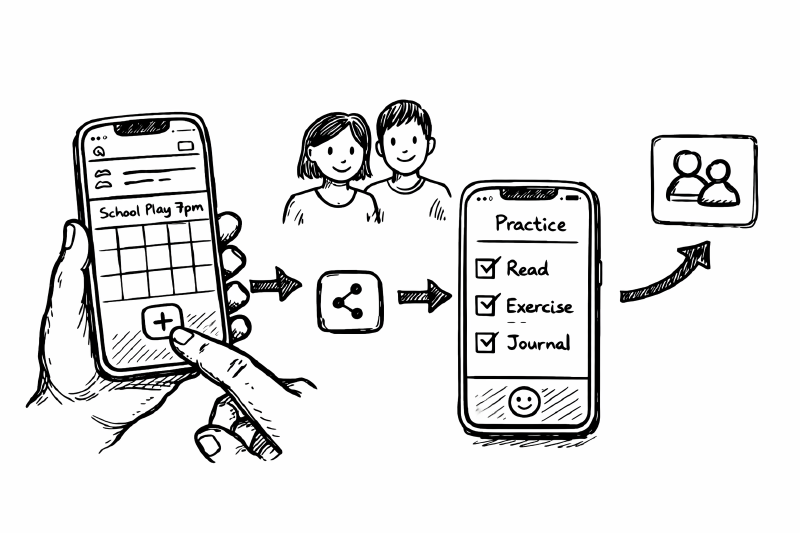
One floating “+” button, server-side parsing with Gemini, and a blunt backup/restore flow. The practical bits that make a vibe-coded app feel trustworthy.
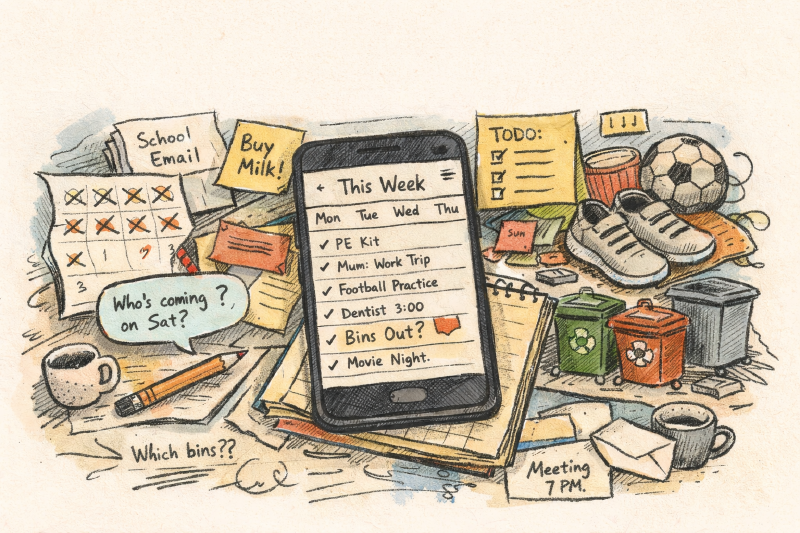
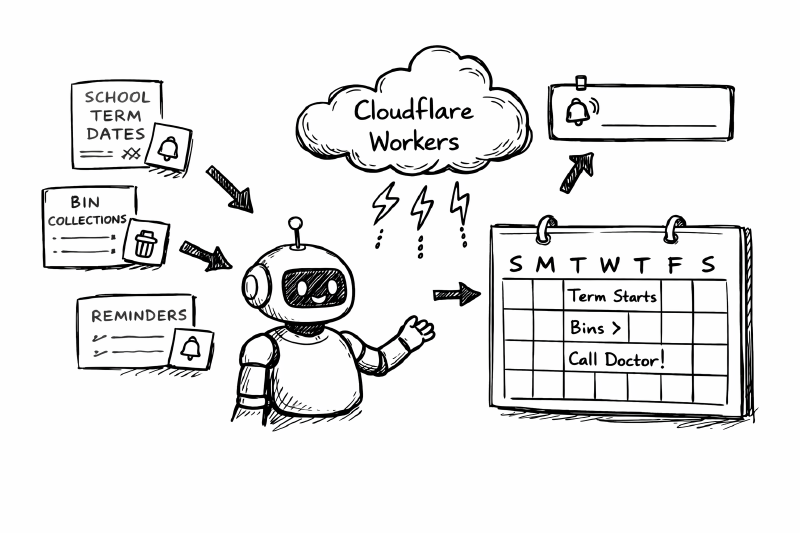
The planner got real once it contained the annoying external schedules: school term dates, bin collections, and reminders. Here’s how I ingest and validate that data with Workers, and how push works without running a server.
This app got better the moment I stopped designing for myself. Here’s what changed once my partner and son started using it: one-tap flows, Share view, and a calm Practice tab with no streak shame.
I wanted a simple, mobile-first weekly planner my family would actually use. Here’s the stack, the WeekDoc rule, and the guardrails that kept fast changes readable.
Reflecting on more than two decades in software development amidst the rise of AI coding agents, exploring the implications for vendors, outsourcing, and the evolving role of developers.
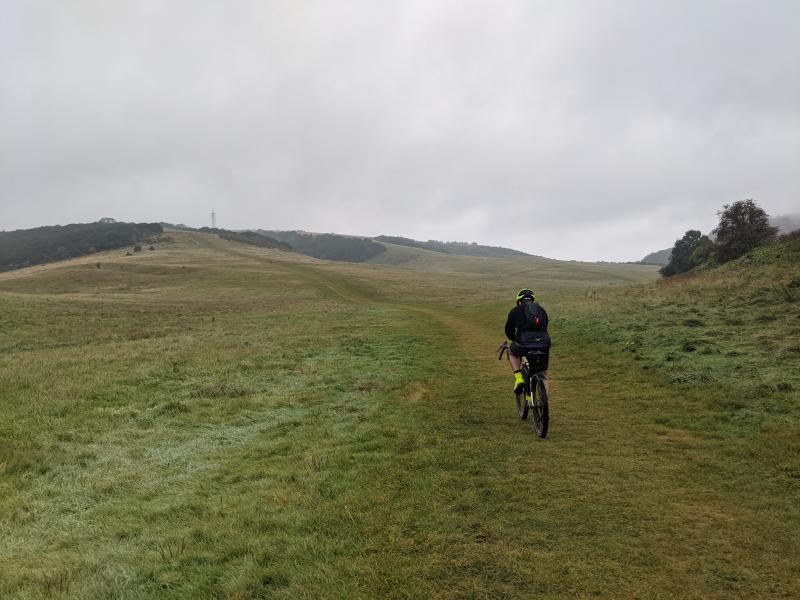
Exploring the parallels between bike packing adventures like King Alfred's Way and designing resilient software systems, focusing on planning, gear selection (technology), packing (architecture), redundancy (fault tolerance), navigation (observability), and pacing (scalability), drawing analogies to Azure and robust engineering principles.